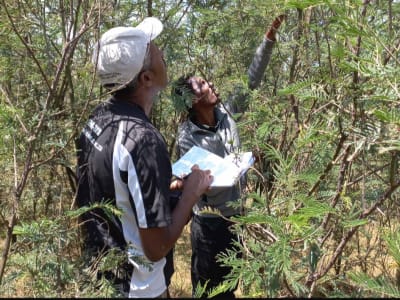






In December 2024, an exciting five-year project commenced in Ethiopia, bringing fresh hope for sustainable forestry and improved livelihoods in rural communities. This initiative focuses on managing pests and diseases that threaten vital tree crops, including Moringa woodlots, Wattle, and Eucalyptus plantations in the Awi region of Ethiopia, which are essential for both local economies and the national landscape.
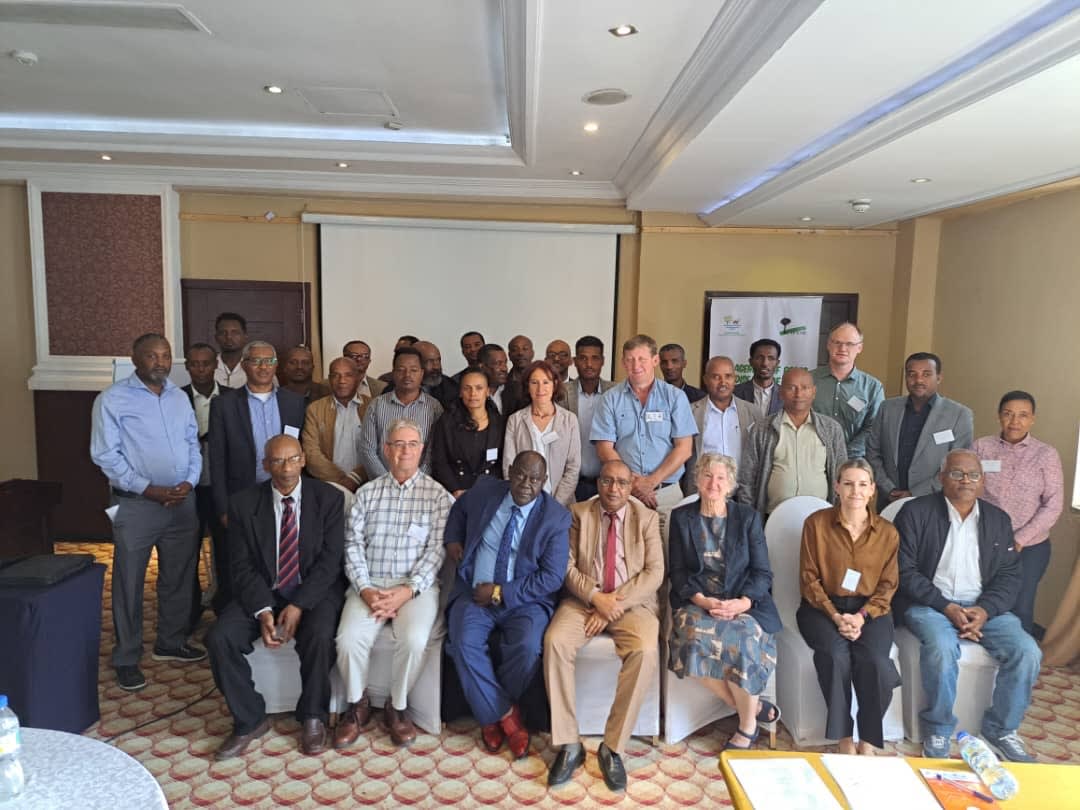
The International multidisciplinary team working on the Ethiopian Forests Project (Pic Credit - ICFR)
The project sees the Institute for Commercial Forestry Research (ICFR) and the Forestry and Agricultural Biotechnology Institute (FABI) at the University of Pretoria (UP), working together to develop an integrated pest management (IPM) strategy in support of forestry-based economies in the region. It’s supported by the Australian Centre for International Agricultural Research (ACIAR) and a collaborative team, including the University of the Sunshine Coast (USC), Ethiopian Forestry Development (EFD), and the Centre for International Forest Research (CIFOR). The partnership between these organisations highlights the importance of global cooperation in tackling complex forestry challenges. For the ICFR, this project marks its first long-term venture outside South Africa, opening the door for future collaborations across Africa.
The team from ICFR includes Dr Ilaria Germishuizen, Nuveshen Naidoo, and Greg Fuller. The FABI / UP team includes Prof Brett Hurley, Prof. Bernard Slippers, and Prof. Irene Barnes, two new postdoctoral fellows, Dr Jakson Muyobela and Dr Charlene Clarke, Dr Wilma Nel (through her role as Diagnostic Clinic Manager), and Dr Wegayehu Fitawek (Department of Agricultural Economics, Extension and Rural Development). Together, these experts will guide the project and develop solutions suited to local conditions.
Ethiopia’s tree crops are vital to rural communities, providing essential resources from income to food and energy, while also contributing to the national economy. However, pests and diseases are posing a serious threat to these forest crops. Wattle, important for agroforestry systems, has been severely affected by wattle rust (Uromycladium acaciae), especially in Ethiopia’s Awi Zone in Amhara State. Eucalypts, the country’s most planted tree species, face damage from various insect pests and pathogens. Moringa trees, a key source of food and nutrition, are being damaged by the ” moringa moth (Noorda blitealis), putting both food security and household incomes at risk. The main goal of the project is to develop sustainable, localised pest and disease management strategies. The IPM approach blends biological, cultural, and chemical control methods to reduce environmental impact while maximising effectiveness.
The focus of the project lies in developing a balanced approach to managing pests, combining different methods, including improved site-species matching, enhanced tree care practices, and biological control. The team hopes this sustainable approach will minimise crop damage while protecting the environment. Key activities include testing new tree species that could thrive in Ethiopia’s diverse climates and be more resilient to pests. The team will also set up demonstration plots to teach local farmers better management techniques, ensuring that the solutions are practical and culturally relevant.
Capacity building is another major focal area, with training for smallholders, private ventures, nursery managers, and forestry officers in pest identification and management. This hands-on knowledge will empower communities to be self-sufficient in protecting their crops. The human dimension is often neglected when developing pest management strategies, despite its importance to the success of those strategies, especially when the stakeholders are predominantly smallholder farmers. Thus, FABI is working with the Department of Agricultural Economics, Extension and Rural Development at UP to understand the social and economic ‘landscape’ of the project, and to identify barriers and opportunities for the adoption of IPM. This includes the use of capacity-gap and value chain analyses, as well as investigating the role of gender in farming practices.
The project has already begun, with groundwork laid for new nurseries, and trials having started in June-July 2025. This initiative is a powerful example of how international collaboration can tackle complex agricultural challenges. By combining the strengths of institutions like ICFR, FABI, USC, EFD, and CIFOR, the project aims to make a lasting impact on Ethiopia’s forestry sector, boosting productivity, improving livelihoods, and contributing to sustainable forest management. With careful planning, collaboration, and continued investment in research and capacity building, this initiative promises to support Ethiopia’s forests and rural communities in the future.